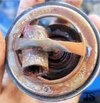
Yup! I would use WD40 or contact cleaner vs plain silicone spray though.
Those switch-pods require annual maintenance (especially when parked outside, get used in heavy weather/year round, and/or undergo intense high-pressure washing...)
WD40 is primarily displacing water, barely lubricating, a short time cure at max... (and messy seeping out...)
Contact cleaner solvents can be aggressive unless marked safe for use on plastic... (and not nice to paint when dripping out the switch)
Silicone oil might free stuck mechanical parts though, but increases contact resistance when getting on them...
The best, reliable, long term fix is going all the way...
- access the wiring and disconnect the switch's connector shell from the harness
- remove the switch pods from the bar, remember that those are JIS screws, and where the longer and the shorter one has to go to not ruin the housings later
- sit at the bench, put the switch you'll work on inside a transparent freezer bag, carefully fold it open and start disassembling
(there spring loaded balls inside, the bag keeps them from flying into the abyss...)
- clean all and everything, lube all moving parts with plastic approved, waterproof grease (i.e. silicon or marine grease)
- inspect all soldering points for damage
- clean all contacts (fine water-sanding paper, nail file...)
- threat all contacts with corrosion inhibition/conductivity improving solvent (like
ACF-50, great stuff)
- assemble spring loaded things inside the freezer bag
- when putting self tapping screws back into plastic always rotate them
counterclockwise first till you
feel the
threads locking in, then clockwise to tighten
- threat the outside of the housing with a plastic replenishing product like Spray Cleaner & Polish while at it
- install switch back on the bar, observe the pin in the lower half has to go into a bore in the tube, preventing it from rotating, and where the short/long screws go
- also apply the ACF-50 on the crimp contacts inside the connector shells when re-attaching (I do the same on all relay sockets)
Done right those switches should serve trouble free for at least a year or two...
The ignition-lock switch-plate could use the same service, but that involves digging in deep for access...